
Introduction
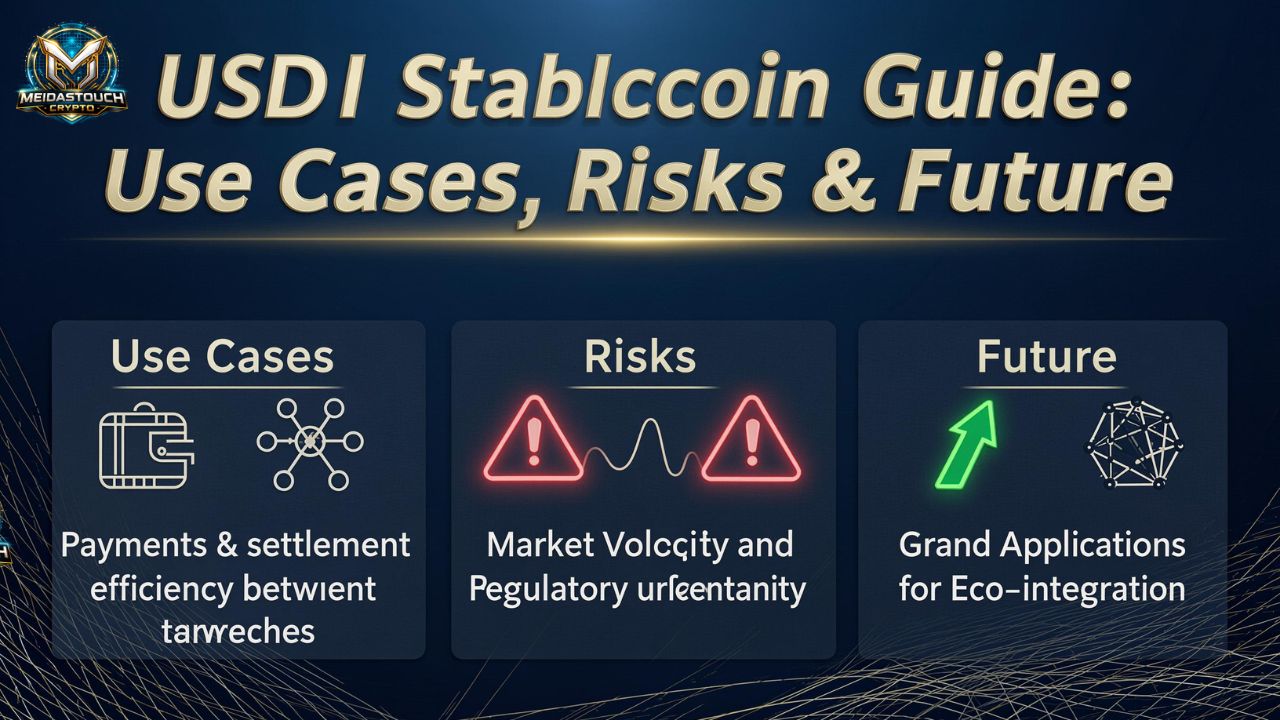
What if you could enjoy the speed of cryptocurrency without the rollercoaster price swings? That’s exactly the promise behind usd1 stablecoin, a digital asset designed to stay steady while the rest of the crypto market moves unpredictably.
For many people, crypto feels exciting—but also overwhelming. Prices spike, crash, and change direction in minutes. In reality, this volatility keeps a lot of beginners on the sidelines. That’s where usd1 stablecoin becomes interesting. It offers a sense of calm in a space known for chaos.
More importantly, understanding how it works isn’t just helpful—it’s essential. Whether you’re sending money, trading, or exploring decentralized finance, stablecoins are becoming the backbone of modern digital transactions. Let’s unpack everything you need to know in a way that actually makes sense.
Table of Contents
What Is USD1 Stablecoin
How USD1 Stablecoin Maintains Stability
Types of Stablecoins and Market Position
Real-World Applications of USD1 Stablecoin
Benefits of Using USD1 Stablecoin
Risks and Challenges of USD1 Stablecoin
Platforms and Tools Supporting USD1 Stablecoin
Trading and Investment Strategies
Personal Background: Who Uses Stablecoins
USD1 Stablecoin vs Other Stablecoins
FAQs
Conclusion
What Is USD1 Stablecoin
Let’s start simple.
Definition
usd1 stablecoin is a cryptocurrency designed to maintain a fixed value, usually pegged to the US dollar. This means 1 token aims to equal $1 at all times.
Why Stablecoins Exist
Traditional cryptocurrencies like Bitcoin are highly volatile. Stablecoins solve this problem by offering:
- Price stability
- Predictable value
- Easier usability for everyday transactions
A Quick Example
If you hold 500 units of usd1 stablecoin, you’re essentially holding the digital equivalent of $500—without worrying about sudden price crashes.
How USD1 Stablecoin Maintains Stability
This is where things get slightly technical—but stay with me.
Peg Mechanism
Stablecoins maintain their value through different systems:
- Fiat reserves (cash-backed)
- Collateralized assets
- Algorithmic supply adjustments
Reserve Backing Explained
Most stablecoins claim to hold reserves such as:
- US dollars
- Government bonds
- Liquid assets
These reserves ensure every usd1 stablecoin is backed by real-world value.
Supply Control
When demand increases:
- More tokens are issued
When demand decreases:
- Tokens are burned
This constant balancing act helps maintain stability.
Types of Stablecoins and Market Position
Not all stablecoins are built the same.
Fiat-Backed Stablecoins
- Backed by actual currency
- Lower risk
- Centralized
Crypto-Backed Stablecoins
- Backed by crypto assets
- More decentralized
- Slightly riskier
Algorithmic Stablecoins
- Controlled by smart contracts
- High risk, experimental
Comparison Table
| Type | Stability | Risk | Control |
|---|---|---|---|
| Fiat-backed | High | Low | Centralized |
| Crypto-backed | Medium | Medium | Semi-decentralized |
| Algorithmic | Low | High | Fully automated |
Real-World Applications of USD1 Stablecoin
Now let’s talk about how people actually use it.
Everyday Payments
- Online shopping
- Freelance payments
- Subscription services
Cross-Border Transfers
Sending money internationally becomes:
- Faster
- Cheaper
- More accessible
DeFi Ecosystem
usd1 stablecoin plays a big role in:
- Lending platforms
- Yield farming
- Liquidity pools
Trading Stability
Traders use stablecoins as a “safe zone” during market volatility.

Benefits of Using USD1 Stablecoin
Let’s be honest—people wouldn’t use it if it didn’t offer real advantages.
Key Benefits
- Stable value compared to volatile crypto
- Fast transactions across borders
- Lower fees than traditional banking
- Easy access without needing a bank account
Emotional Perspective
There’s something reassuring about knowing your digital money won’t suddenly lose 20% overnight. That’s why usd1 stablecoin is often the first step into crypto for beginners.
Risks and Challenges of USD1 Stablecoin
However, no financial tool is perfect.
1. Centralization Risk
If controlled by a company, users must trust that entity.
2. Transparency Issues
Not all stablecoins fully disclose their reserves.
3. Regulatory Pressure
Governments are increasingly focusing on stablecoins.
4. Depegging Events
Sometimes stablecoins temporarily lose their $1 value.
That said, staying informed and monitoring usd1 stablecoin developments can reduce risks significantly.
Platforms and Tools Supporting USD1 Stablecoin
To use stablecoins effectively, you need the right tools.
Popular Platforms
- Crypto exchanges
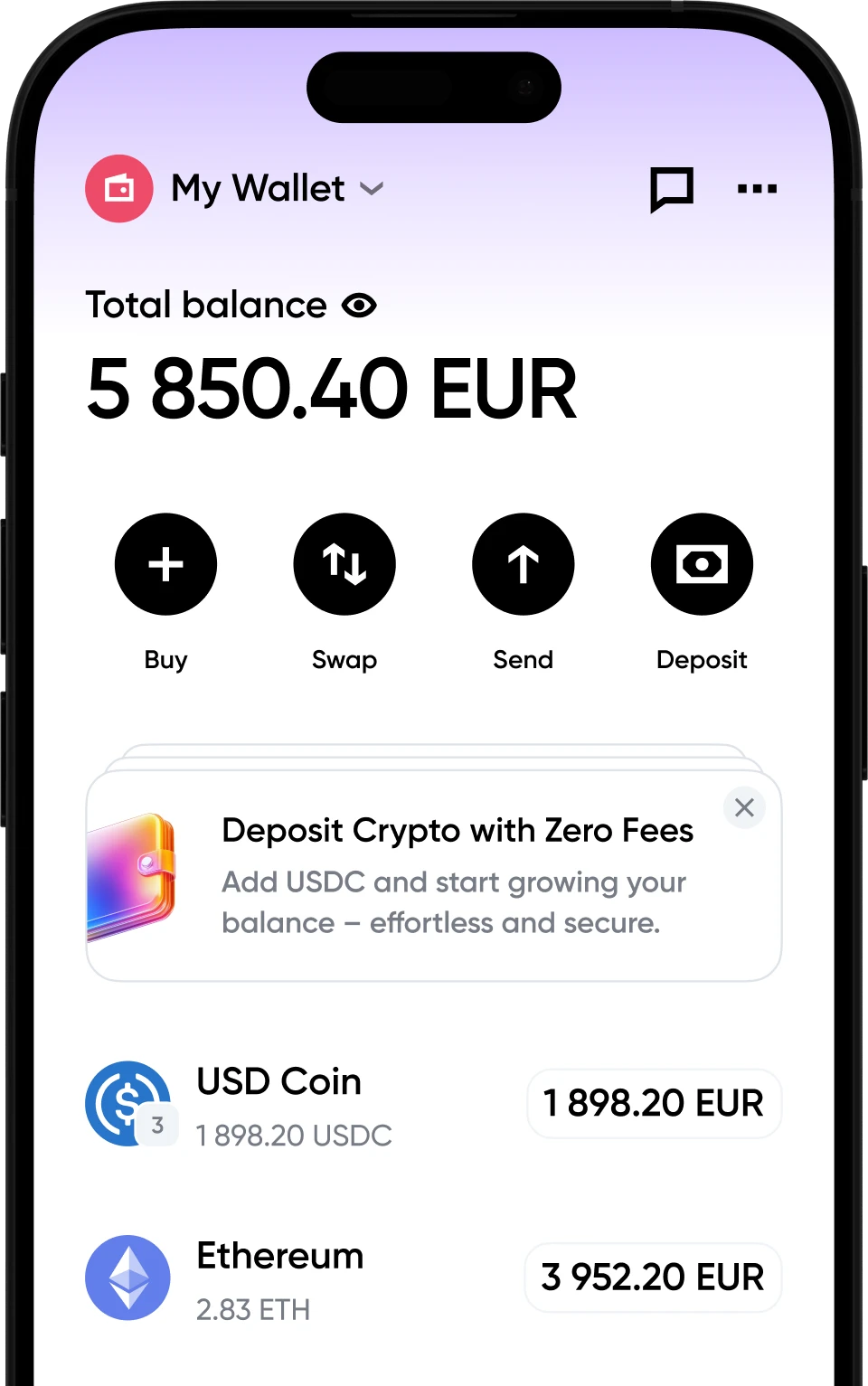
- Digital wallets
- DeFi applications
Must-Have Features
- Real-time tracking
- Security protocols
- Low transaction fees
- User-friendly interface
Trading and Investment Strategies
Stablecoins aren’t just for holding—they’re strategic tools.

1. Capital Preservation
During market downturns, traders convert assets into usd1 stablecoin to protect value.
2. Arbitrage Opportunities
Price differences across exchanges can create profit opportunities.
3. Passive Income
Users can earn interest through:
- Lending
- Staking
- Yield farming
Real-Life Example
Imagine selling Ethereum at a peak and moving funds into usd1 stablecoin, then buying back when prices drop. This simple strategy can significantly increase returns.
Personal Background: Who Uses Stablecoins
Everyday Users
- Freelancers receiving international payments
- Digital entrepreneurs
- Remote workers
Traders
Active traders rely heavily on usd1 stablecoin for quick conversions.
Career Journey Insight
Most crypto users:

- Start with curiosity
- Learn through experience
- Gradually build confidence
Financial Insights
Earnings vary widely:
- Beginners: minimal gains or losses
- Intermediate traders: $500–$5,000/month
- Advanced traders: significantly higher
Success depends more on discipline than luck.
USD1 Stablecoin vs Other Stablecoins
Let’s compare it with popular alternatives.
Comparison Table
| Feature | USD1 | USDT | USDC |
|---|---|---|---|
| Transparency | Developing | Moderate | High |
| Regulation | Emerging | Moderate | Strong |
| Adoption | Growing | Very High | High |
Key Observations
- usd1 stablecoin is still evolving
- Established coins dominate the market
- New entrants may offer innovation
Infographic: Stablecoin Ecosystem Flow

FAQs
Frequently Asked Questions
What is usd1 stablecoin?
It is a cryptocurrency designed to maintain a stable value, usually pegged to the US dollar.
Is usd1 stablecoin safe?
Its safety depends on backing, transparency, and regulatory compliance.
How does usd1 stablecoin maintain its value?
Through reserves, collateral, or algorithmic supply adjustments.
Can beginners use usd1 stablecoin?
Yes, it’s often considered beginner-friendly due to its stability.
Where can I buy usd1 stablecoin?
On crypto exchanges or supported platforms.
Can stablecoins lose value?
Yes, if they lose their peg or face liquidity issues.
Is usd1 stablecoin regulated?
Regulation varies depending on the issuing entity and region.
Why do traders use stablecoins?
To protect funds during volatility and enable quick trades.
Conclusion
The rise of usd1 stablecoin signals a major shift in how we think about money in the digital age. It’s not just a tool for traders—it’s becoming a foundation for global payments, decentralized finance, and financial inclusion.
However, like any financial innovation, it comes with both promise and risk. The key is understanding how it works, where it fits, and how to use it wisely.
If you approach it with curiosity and caution, stablecoins can open doors to opportunities that traditional finance simply can’t offer. And in a rapidly evolving financial world, staying informed is your greatest advantage.