Introduction
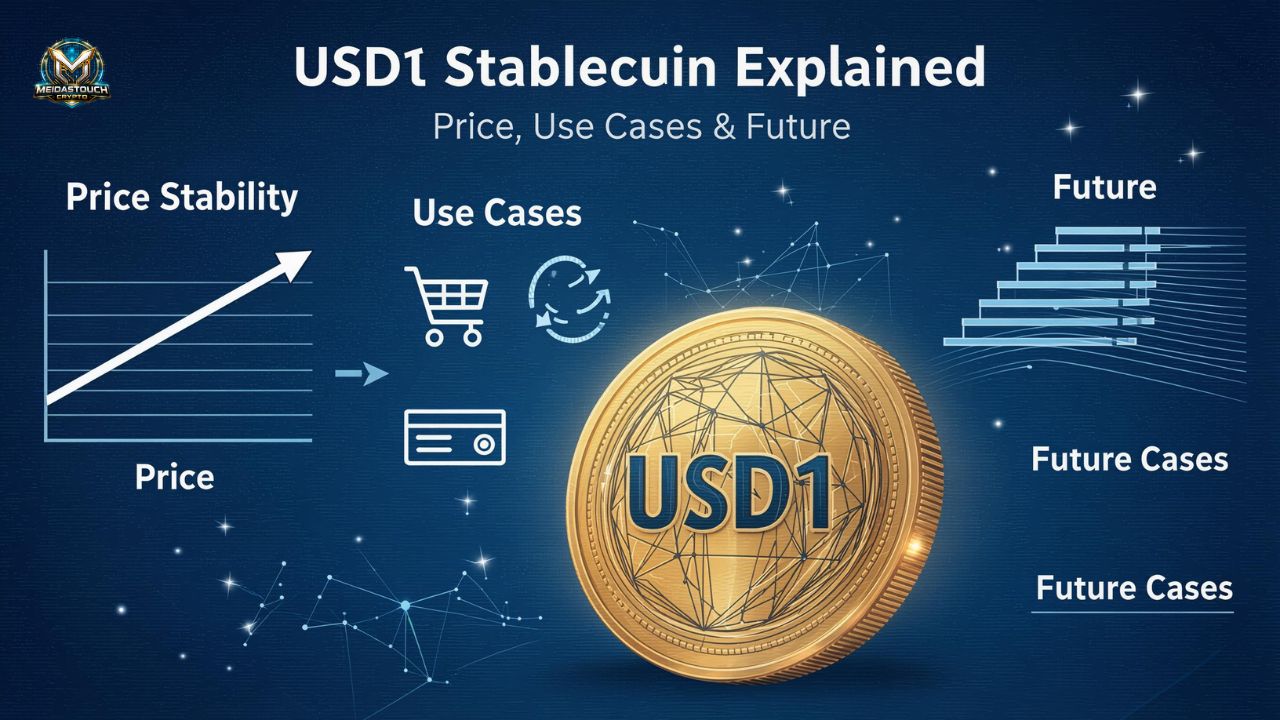
Imagine holding digital money that doesn’t swing wildly like Bitcoin or Ethereum. Sounds ideal, right? That’s exactly where usd1 stablecoin steps in—a concept that’s quietly reshaping how people interact with cryptocurrency.
In a world where volatility often scares beginners away, the idea behind usd1 stablecoin feels almost comforting. It’s designed to stay stable, usually pegged to the US dollar, offering a bridge between traditional finance and the fast-moving crypto ecosystem.
But here’s the catch—while it promises stability, there’s a lot happening behind the scenes that most people don’t fully understand. And that’s exactly why this topic matters. Whether you’re investing, trading, or just curious, knowing how these digital dollars work can save you from costly mistakes—and maybe even open new opportunities.
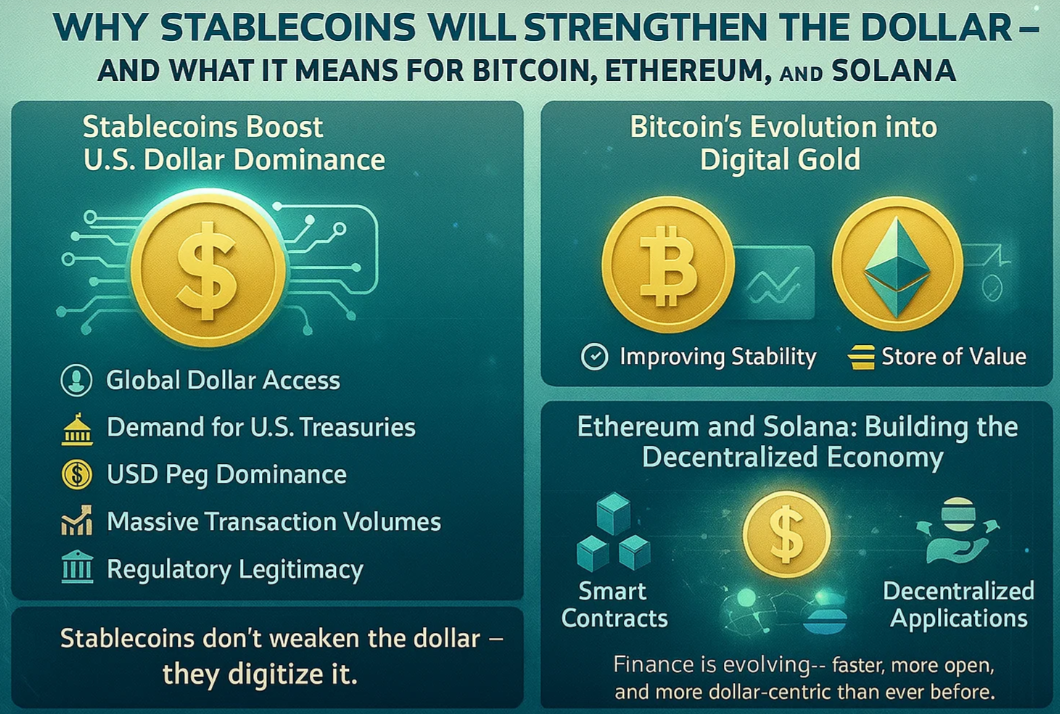
Table of Contents
What Is USD1 Stablecoin
How USD1 Stablecoin Works
Types of Stablecoins and Where USD1 Fits
Real-World Use Cases of USD1 Stablecoin
Benefits of Using USD1 Stablecoin
Risks and Challenges to Consider
Tools and Platforms Supporting USD1 Stablecoin
Trading Strategies with USD1 Stablecoin
Personal Background: Who Uses Stablecoins and Why
USD1 Stablecoin vs Other Stablecoins
FAQs
Conclusion
What Is USD1 Stablecoin
Let’s simplify it.
Definition
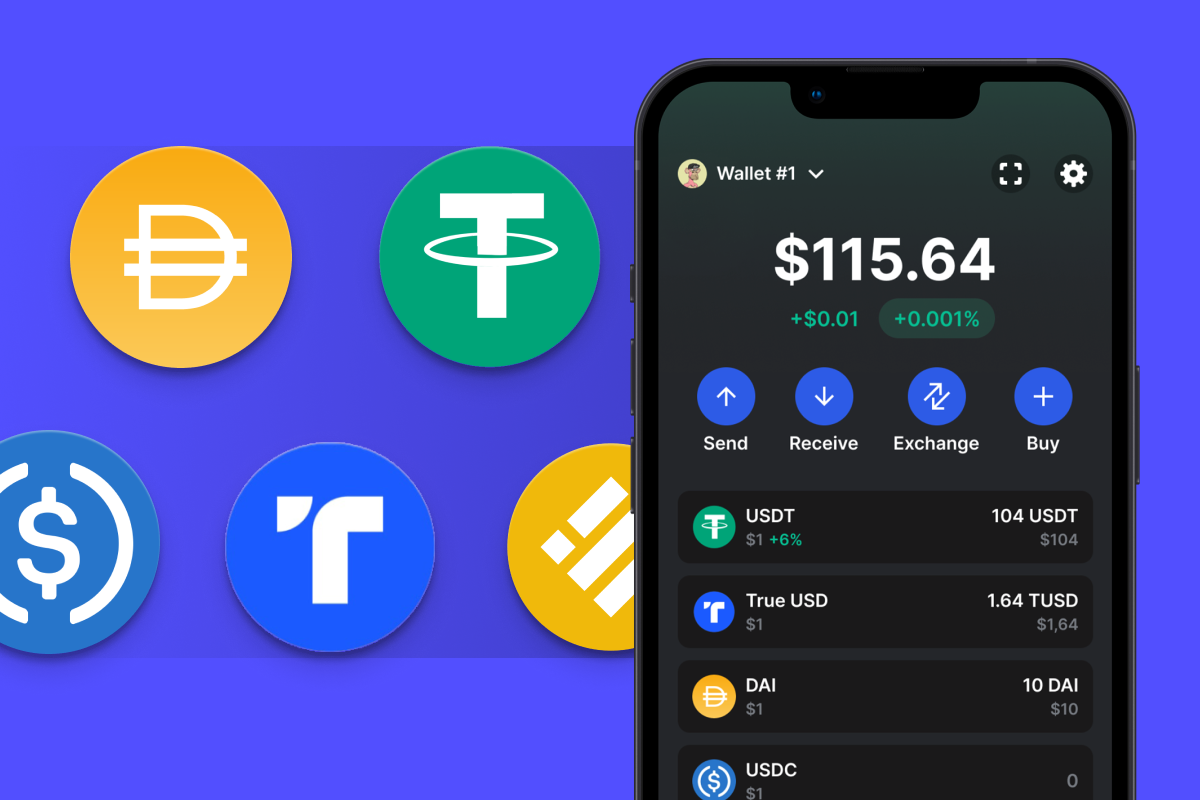
usd1 stablecoin is a type of cryptocurrency designed to maintain a stable value, typically pegged 1:1 to the US dollar. Unlike volatile crypto assets, it aims to remain consistent in price.
Why Stability Matters
In crypto, prices can swing 10–20% in a single day. Stablecoins like this provide:
- Predictability
- Reduced risk
- Easier transactions
Simple Example
If 1 USD = 1 unit of usd1 stablecoin, then:
- $100 = 100 tokens
- Value remains nearly constant
That’s the entire idea—digital cash without volatility.
How USD1 Stablecoin Works
Understanding the mechanism is where things get interesting.
Pegging Mechanism
The value is maintained through:
- Fiat reserves (actual dollars in banks)
- Algorithms (supply control)
- Collateral (crypto-backed assets)
Reserve Backing
Most stablecoins claim to hold reserves such as:
- Cash
- Treasury bonds
- Short-term assets
This ensures every usd1 stablecoin is backed by real value.
Minting and Burning
- New coins are minted when users deposit USD
- Coins are burned when users withdraw
This balance keeps supply aligned with demand.
Types of Stablecoins and Where USD1 Fits
Not all stablecoins are created equal.
1. Fiat-Backed Stablecoins
- Backed by real-world currency
- Example: USDT, USDC
- Likely category for usd1 stablecoin
2. Crypto-Backed Stablecoins
- Backed by other cryptocurrencies
- More decentralized but volatile
3. Algorithmic Stablecoins
- Maintain value using code
- Higher risk (some have failed dramatically)
Comparison Table
| Type | Stability | Risk Level | Transparency |
|---|---|---|---|
| Fiat-backed | High | Low | Medium |
| Crypto-backed | Medium | Medium | High |
| Algorithmic | Low | High | Variable |
Real-World Use Cases of USD1 Stablecoin
This is where theory meets reality.
1. Everyday Transactions
People use usd1 stablecoin for:
- Online payments
- Cross-border transfers
- Freelance payments
2. Trading & Hedging
Traders move funds into stablecoins to avoid market crashes.
3. DeFi (Decentralized Finance)
- Lending platforms
- Yield farming
- Liquidity pools
4. Remittances
Sending money internationally becomes:
- Faster
- Cheaper
- Borderless

Benefits of Using USD1 Stablecoin
Let’s talk about why people actually use it.
Key Advantages
- Stability compared to other crypto
- Fast transactions (minutes instead of days)
- Lower fees for international transfers
- Accessibility (no bank required)
Emotional Appeal
There’s something reassuring about holding a digital asset that doesn’t fluctuate wildly. For beginners especially, usd1 stablecoin feels like a safe entry point into crypto.
Risks and Challenges to Consider
Now, here’s the reality check.
1. Centralization Risks
If controlled by a company, trust becomes essential.
2. Reserve Transparency
Not all stablecoins fully disclose their reserves.
3. Regulatory Uncertainty
Governments worldwide are still figuring out how to regulate stablecoins.
4. Depegging Risk
Sometimes stablecoins lose their peg temporarily—this can be stressful for holders.
Tools and Platforms Supporting USD1 Stablecoin
To actually use stablecoins, you need the right tools.
Popular Platforms
- Crypto exchanges (Binance, Coinbase)
- Wallets (Trust Wallet, MetaMask)
- DeFi platforms
Features to Look For
- Security
- Low fees
- Real-time tracking
- Easy user interface
Tracking usd1 stablecoin across platforms helps ensure you’re getting accurate pricing.
Trading Strategies with USD1 Stablecoin
You don’t just hold it—you can use it strategically.
1. Safe Haven Strategy
During market dips, traders convert assets into usd1 stablecoin to preserve value.
2. Arbitrage
Buy low on one exchange, sell higher on another.
3. Yield Farming
Earn passive income by lending your stablecoins.
Real-Life Scenario
A trader exits Bitcoin at $60,000 into usd1 stablecoin, waits for a dip, and re-enters at $55,000—locking in profit.
Personal Background: Who Uses Stablecoins and Why
Everyday Users
- Freelancers
- Remote workers
- Small business owners
Crypto Traders
These are the most active users of usd1 stablecoin.
Career Journey Insight
Many traders start by:
- Learning basic crypto concepts
- Experimenting with small investments
- Transitioning into advanced strategies
Financial Insights
Average earnings vary widely:
- Casual users: cost savings
- Traders: $1,000–$10,000/month potential
- Experts: significantly higher
However, success requires discipline—not luck.
USD1 Stablecoin vs Other Stablecoins
Let’s compare it with popular options.
Comparison Table
| Feature | USD1 | USDT | USDC |
|---|---|---|---|
| Transparency | Unknown | Medium | High |
| Regulation | Emerging | Moderate | Strong |
| Popularity | Growing | Very High | High |
Key Differences
- usd1 stablecoin may still be developing
- Established coins have proven track records
Infographic: Stablecoin Ecosystem Explained
FAQs
Frequently Asked Questions
What is usd1 stablecoin used for?
It’s used for payments, trading, and storing value without volatility.
Is usd1 stablecoin safe?
It depends on its backing, transparency, and regulatory compliance.
How does usd1 maintain its value?
Usually through reserves or supply mechanisms tied to the US dollar.
Can beginners use usd1 stablecoin?
Yes, it’s often recommended as a starting point in crypto.
Is usd1 stablecoin better than Bitcoin?
Not better—just different. It offers stability instead of growth potential.
Can stablecoins lose value?
Yes, if they lose their peg or face liquidity issues.
Where can I buy usd1 stablecoin?
On supported crypto exchanges and platforms.
Is usd1 regulated?
Regulation varies by region and issuer.
Conclusion
The rise of usd1 stablecoin reflects a broader shift in how we think about money. It’s not just about crypto anymore—it’s about creating a bridge between traditional finance and digital innovation.
For some, it’s a tool. For others, it’s a safety net. And for a growing number of people, it’s becoming a daily financial companion.
That said, no financial tool is perfect. Understanding the mechanics, risks, and opportunities behind stablecoins can make all the difference between smart decisions and costly mistakes.
So whether you’re exploring crypto for the first time or refining your strategy, keep learning, stay curious, and always question what’s behind the numbers.